


Traffic that you don’t pay for is traffic you own. When your courses live on a custom site under your domain, you control the signals that search engines reward—clear titles, fast pages, clean URLs, structured data, and an internal linking map that points straight to enrollment. That control is the difference between being discoverable for the skills you teach and disappearing beneath marketplaces and aggregators.
Start with intent, not keywords. Your learners aren’t searching for “best online course platform”—they’re searching for outcomes: how to pass a certification, how to land a client, how to ship a project. Build pages around those jobs-to-be-done, and write titles and meta descriptions that promise a specific result in plain language. Keep URLs short and human. If a visitor can read the address bar and know where they are, search engines can too.
SEO isn’t tricks—it’s clarity, speed, and relevance you’re proud to be found for.
Structure content so it earns trust quickly. Use a single, scannable H1, break sections with descriptive subheads, and answer the obvious objections in the body instead of burying them in FAQs. Add a concise summary or transcript to lesson pages so the value is readable even before the video plays. Where appropriate, layer in structured data so engines understand what a course is, who teaches it, and how long it takes to complete.
Speed is strategy. Compress images, lazy-load media, and keep third-party scripts to a minimum on sales pages and lesson views. The fastest way to raise conversions is to eliminate everything that doesn’t help a buyer say yes or a student keep going. A fast site earns better engagement signals—time on page, scroll depth, low bounce—which in turn supports rankings.
Modal Pop-Ups
Link with intent. Every post should point to a relevant course or resource, and every course should link back to the posts that answer pre-purchase questions. That web of relevance is how authority compounds over time. When you add a new module or launch a related program, update older pages and redirect retired URLs so equity isn’t lost in dead ends.
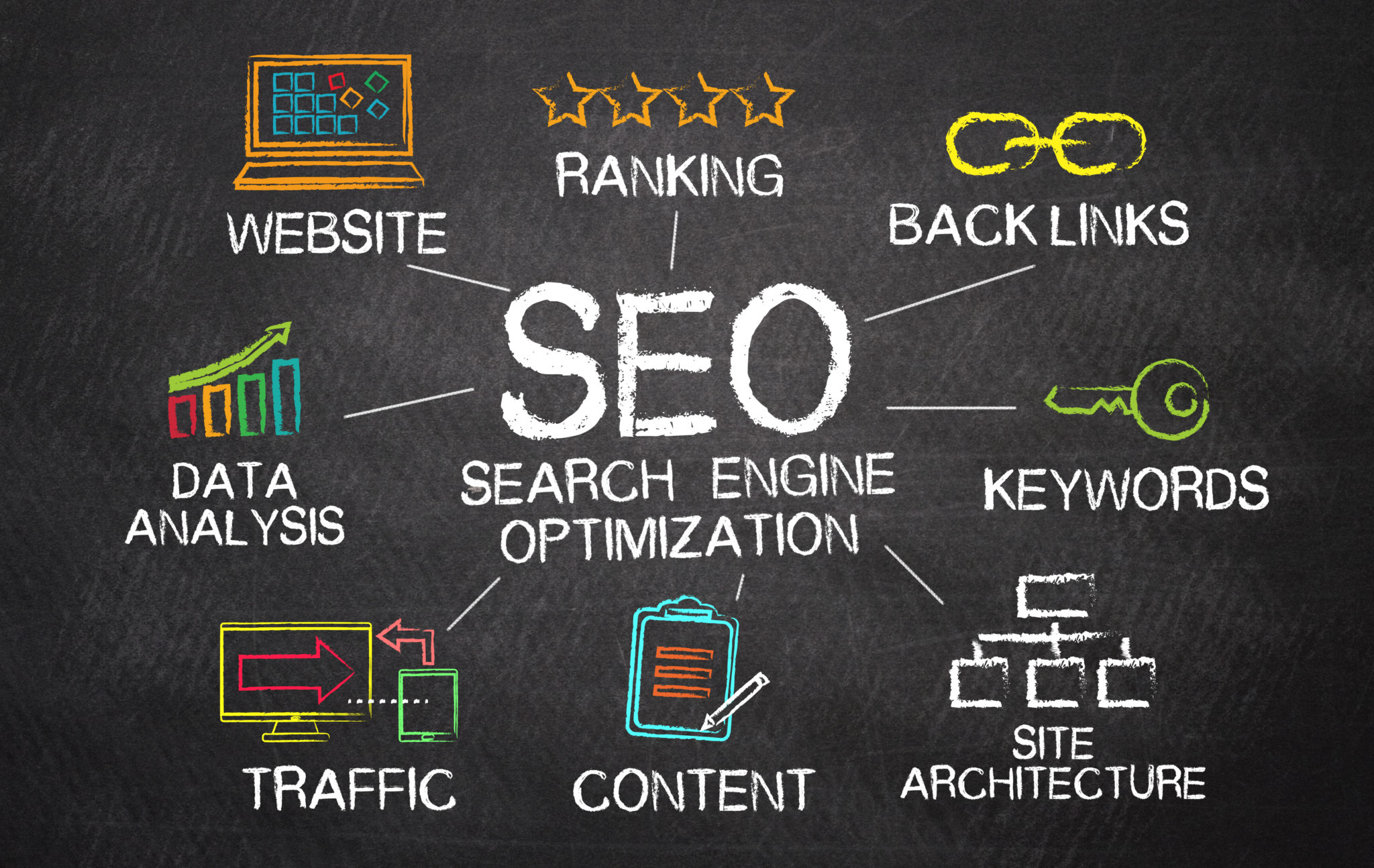
Treat SEO as a weekly habit, not a launch task. Publish one useful article that targets a real query, refresh one high-intent page with a clearer promise, and fix one technical issue—titles, meta, schema, redirects, images—until the backlog is gone. The flywheel is simple: helpful content attracts visitors, internal links guide them to the offer, and fast pages convert them into students.